
The construction industry, a backbone of global economic growth, faces unique challenges for digital marketing. Online visibility is crucial for securing new projects, showcasing expertise, and attracting clients. However, the competitive landscape of the internet demands tailored strategies, especially when competing with established names. This article provides a practical guide to crafting effective industry-specific SEO solutions for construction businesses. We'll explore local SEO, keyword optimization for heavy machinery and services, and advanced techniques to outrank competitors. By following these steps, contractors and builders can enhance their online presence, attract more clients, and thrive in the digital age.
- Understanding Construction Industry SEO Challenges
- Keyword Research for Construction-Specific Content
- On-Page Optimization: Best Practices for Construction Sites
- Off-Page Strategies: Building Authority in Construction
- Industry-Specific Link Building and Local SEO Tactics
Understanding Construction Industry SEO Challenges
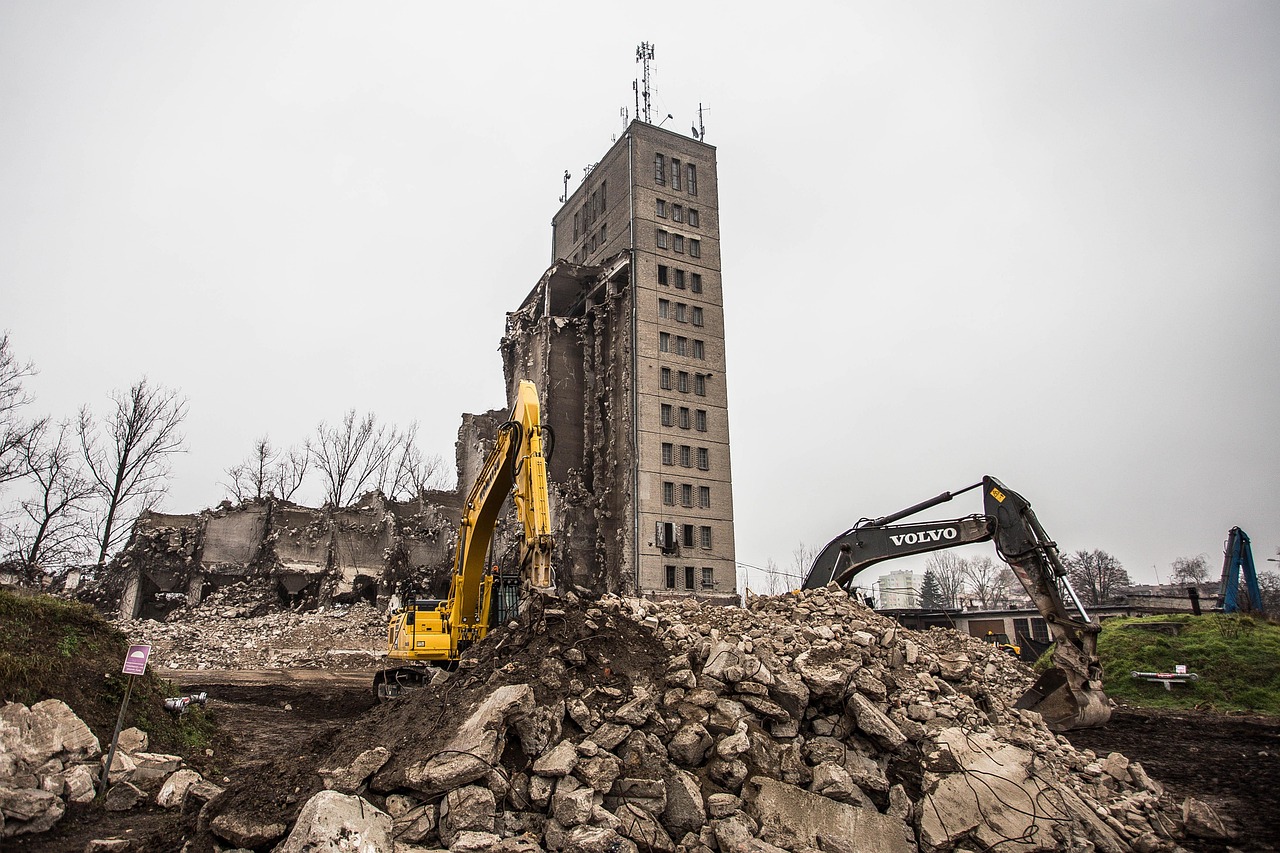
The construction industry, with its specialized terminology, complex projects, and site-specific nature, presents unique challenges for search engine optimization (SEO). Effective industry-specific SEO solutions demand a deep understanding of this dynamic sector and the digital landscape it occupies. Reliable SEO strategies for construction must account for the industry's seasonal fluctuations, high-value yet niche keywords, and the prevalence of local, project-based searches.
One of the primary hurdles is the highly competitive nature of the market. Contractors, builders, and engineering firms often operate within tight local markets, making it crucial to implement cost-effective SEO campaigns that target the right audience. Since the construction industry involves specialized machinery, safety regulations, and location-specific services, generic SEO tactics rarely yield the desired results. Niche-specific SEO services are therefore essential for gaining a competitive edge. Optimizing for keywords related to "heavy machinery" or "local construction permits" can help businesses rank higher for relevant searches.
Google Analytics, a powerful tool in any SEO strategy, offers valuable insights into the construction industry's online behavior. By analyzing user demographics, search terms, and page interactions, businesses can tailor their content and keyword optimization efforts. Understanding that most construction industry searches come from professionals in specific regions, firms can focus on local SEO tactics, including Google My Business listings and industry-relevant content. This targeted approach, combined with a robust backlink profile from industry-specific websites, can significantly improve search rankings.
Keyword Research for Construction-Specific Content
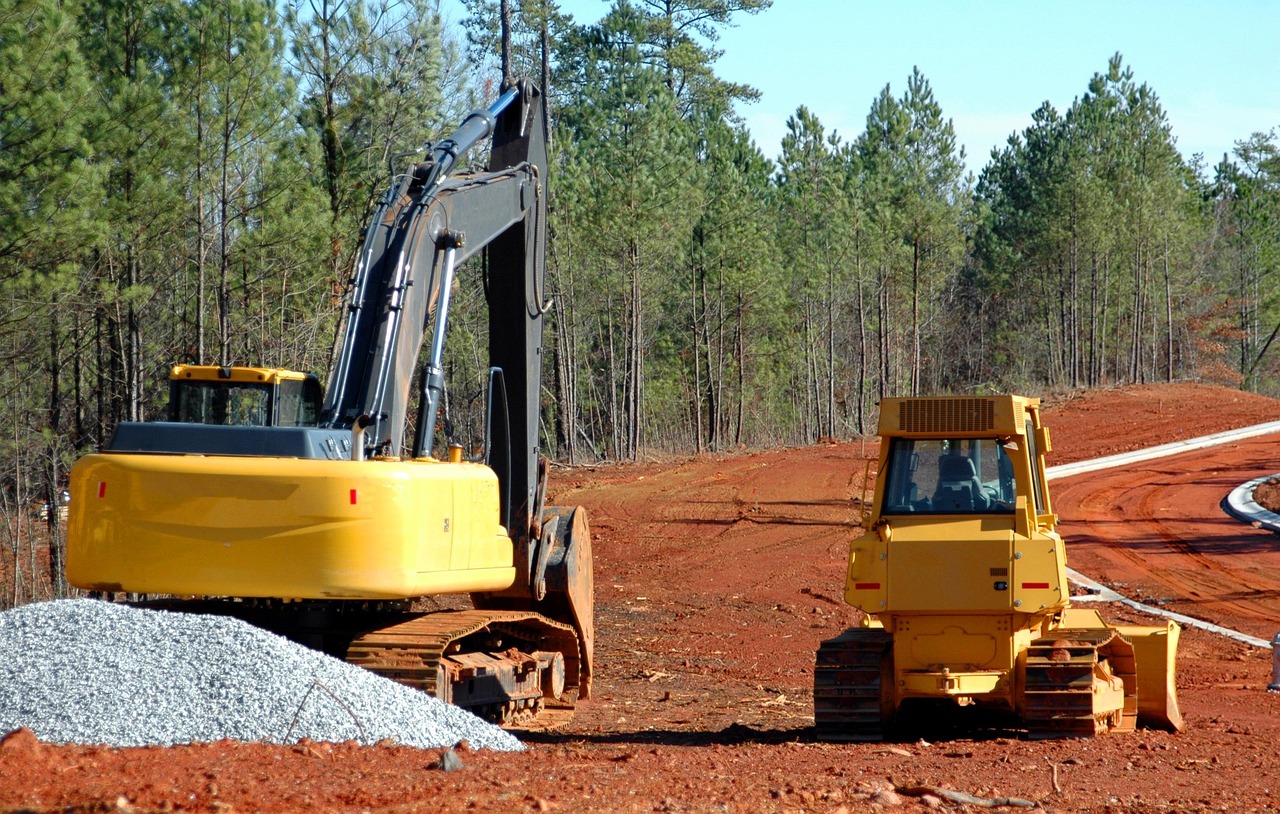
In the competitive construction industry, effective industry-specific SEO solutions are crucial for gaining online visibility and attracting targeted customers. Keyword research is a fundamental step in this process, allowing construction businesses to understand their target audience and optimize their digital presence accordingly. This involves identifying relevant terms and phrases that potential clients use when searching for construction-related services, such as "residential renovations" or "commercial construction management." By incorporating these keywords naturally into website content, meta tags, and other on-page elements, construction companies can significantly improve their search engine rankings and attract more qualified leads.
A strategic keyword research approach for the construction industry should consider both broad and niche terms. While general keywords like "construction services" or "building contractors" attract a wide audience, focusing on more specific phrases can set a business apart. Targeting "specialized heavy machinery rental" or "sustainable building practices" allows contractors to position themselves as experts in their respective fields. This is particularly effective for local SEO strategies, where combining location-specific keywords with industry terms, such as "local construction services in solutions," can help businesses rank higher in regional searches.
Niche-specific SEO services play a vital role in the construction sector, where different trades and specialties require tailored approaches. A company specializing in green building design and consulting should optimize its content for keywords like "sustainability consultants" or "eco-friendly construction solutions." Similarly, local real estate SEO strategies can be adapted to highlight unique features and services, such as "custom home building in solutions" or "commercial renovation specialists." By employing these targeted keywords, construction businesses can effectively reach their ideal clients and establish a strong online presence within their respective niches.
On-Page Optimization: Best Practices for Construction Sites

In the competitive construction industry, on-page optimization is a powerful tool for boosting online visibility and attracting the right clients. Crafting a robust on-page SEO strategy is crucial for construction businesses, both large and small, aiming to outrank competitors and gain a significant web presence. The focus here is on tailored, effective strategies that cater to the unique aspects of the construction sector, ensuring that your online efforts align perfectly with your offline operations.
For construction sites, optimizing individual web pages is a meticulous process. It involves carefully selecting and integrating relevant keywords throughout the content, from titles and headings to meta descriptions and body text. Targeting long-tail keywords specific to the industry, such as "residential renovation services in [local area]" or "commercial heavy machinery rental near me," can significantly improve local search rankings. This is especially valuable for startups looking to establish themselves; by implementing affordable SEO for startups, they can gain a foothold in the market and reach their target audience effectively.
The page's structure should mirror the services offered, with clear, descriptive URLs and an organized information hierarchy. For a highly rated restaurant SEO agency, this might mean crafting pages dedicated to different service types, like kitchen design, dining room setup, or outdoor seating solutions. Each page should be optimized with relevant industry terms, ensuring both search engines and potential clients can easily navigate and understand the site's content. Incorporating user-generated content, such as client testimonials or project photos, adds credibility and encourages engagement, further enhancing the site's search engine ranking.
Mobile optimization is also non-negotiable. With the majority of users accessing websites on their smartphones, ensuring the site is responsive and fast across all devices is essential. This includes optimizing image sizes, leveraging AMP (Accelerated Mobile Pages) technology, and implementing a seamless user experience that encourages visitors to explore further. By following these on-page optimization best practices, construction businesses can significantly improve their industry-specific SEO solutions, attract more qualified leads, and ultimately drive growth in a highly competitive digital landscape.
Off-Page Strategies: Building Authority in Construction

In the construction industry, establishing a strong online presence is crucial for attracting local clients and expanding your reach. Off-page SEO strategies play a pivotal role in building authority and credibility, which are essential for standing out in a competitive market. This involves implementing reliable SEO solutions that go beyond your website, focusing on the connections and references that can drive genuine, targeted traffic.
One of the most effective off-page tactics for construction businesses is local SEO services. By optimizing your online listings on platforms like Google My Business, you ensure your company appears in local search results, making it easier for potential customers to find you. This strategy is especially valuable for same-day services, where prompt response times can be a decisive factor. A local plumber could ensure their Google My Business profile is complete and optimized with relevant keywords, increasing the likelihood of being found by someone searching for emergency plumbing repairs.
Beyond local listings, industry-specific outreach is a powerful method to build authority. This involves engaging with other construction-related businesses, trade associations, or industry influencers. By contributing valuable content, offering expertise, or collaborating on projects, you can establish your company as a trusted authority. A contracting firm could collaborate with a local architectural firm to create case studies showcasing successful projects, enhancing their online reputation and attracting new clients. These strategies, when implemented correctly, can lead to a positive feedback loop, where satisfied customers and partners share their experiences, further boosting your online visibility and credibility.
Industry-Specific Link Building and Local SEO Tactics

In the competitive landscape of the construction industry, a well-executed industry specific seo solutions strategy can be the difference between a thriving business and a forgotten one. For link building and local SEO tactics, construction companies must adopt a targeted approach that reflects the unique aspects of their industry. A licensed SEO consultant specializing in machinery manufacturers might employ different strategies than a local contractor.
Industrial SEO for machinery manufacturers requires a deep understanding of the specific keywords and platforms that cater to their niche. These businesses often deal with heavy machinery, complex parts, and specialized services, all of which need to be reflected in their digital presence. A best SEO agency for this sector would focus on creating comprehensive, industry-relevant content that not only ranks highly for relevant keywords but also positions the manufacturer as a thought leader in their field. Developing in-depth articles on the latest trends in construction machinery, safety protocols, and innovative technologies can attract a targeted audience and build authority.
Local SEO plays a pivotal role for construction companies, especially those operating in a geographical-specific market. A licensed SEO consultant for the construction industry would utilize tools like Google My Business to ensure accurate NAP (Name, Address, Phone number) citations across the web. This includes optimizing local business listings, encouraging user-generated content, and engaging in local community activities. For a contractor offering services in a specific city, optimizing for local keywords and encouraging satisfied customers to leave reviews can significantly boost online visibility.
industry specific outreach is a powerful technique that involves building relationships with influential players within the industry. This could include collaborating with industry associations, contributing to trade publications, or partnering with other relevant businesses. A contractor specializing in sustainable construction practices might collaborate with eco-conscious material suppliers to create joint content that highlights their shared commitment to environmental responsibility. Such strategies not only enhance the contractor's online profile but also foster genuine industry connections.
Frequently Asked Questions About How to Tailor SEO for the Construction Industry: A Step-by-Step Guide
What is the importance of SEO for construction companies?
Search Engine Optimization (SEO) is crucial for construction companies to gain visibility online. In a competitive market, a well-optimized website can attract potential clients, showcase projects, and establish credibility. Effective SEO strategies help construction firms reach their target audience, from property developers to homeowners, by ranking higher on search engine results pages (SERPs). This increases website traffic, leads, and ultimately, business opportunities.
How does a construction company begin with SEO?
Starting with SEO involves several initial steps: Conducting keyword research to understand what potential clients search for is key. This identifies relevant terms and phrases to incorporate into website content, titles, and meta descriptions. Creating a mobile-friendly, fast-loading website with a clear navigation structure and high-quality images is essential. Optimizing headings (H1, H2, etc.) and implementing structured data markup enhance search engine understanding of the content.
What are some industry-specific keywords to target?
Construction SEO involves targeting industry-specific keywords that reflect various services and projects. These may include "commercial construction services," "residential renovation," "blueprints and permits," "sustainable building practices," or "local roofing contractors. " Utilizing long-tail keywords, which are longer, more specific phrases, can also attract highly targeted traffic.
How can construction companies improve their local SEO?
Local SEO is vital for construction businesses to connect with nearby clients. Claiming and optimizing Google Business Profiles (GBP) is essential, including updating business details, adding high-quality images, and encouraging satisfied customers to leave reviews. Local citations on other business directories and review platforms also enhance local visibility. Creating location-specific landing pages on the website and using geo-targeted keywords in content can significantly improve local search rankings.
What role does content marketing play in construction SEO?
Content marketing is a powerful tool for construction SEO. Regularly creating valuable, informative content related to the industry, such as blog posts, articles, or videos, establishes expertise and builds trust with potential clients. Optimizing this content with relevant keywords and sharing it across social media platforms increases website traffic and engagement. Case studies, project updates, and safety tips are effective content types that can showcase a construction company's capabilities and attract organic interest.
How can construction websites adapt for mobile optimization?
Given the high use of mobile devices for online searches, construction websites must be mobile-friendly. Optimizing for mobile involves ensuring fast loading times, a responsive design that adapts to different screen sizes, and easy navigation. Avoiding complex, time-consuming interactions on mobile devices is crucial. Utilizing Accelerated Mobile Pages (AMP) can also improve mobile search rankings by providing faster page loads.
Tailoring effective industry-specific SEO solutions for the construction industry involves a multi-faceted approach. By understanding the unique challenges, conducting thorough keyword research for construction-specific content, implementing robust on-page optimization, and executing strategic off-page tactics, construction businesses can significantly enhance their online visibility. Local SEO and targeted link building, tailored to the industry's needs, are key components for building authority and reaching the right audience.
The article has provided a comprehensive roadmap for success, highlighting practical next steps. Implement these strategies to improve search rankings, attract more qualified leads, and ultimately, dominate the construction market. Remember, industry-specific SEO is not a one-size-fits-all endeavor; it requires a deep understanding of the target audience, competitive landscape, and industry trends. With these insights, you're now equipped to create tailored, high-impact SEO solutions for the construction sector.
Construction Industry SEO: A Practical guide
The construction industry demands tailored SEO strategies due to its unique terminology, projects, and local nature. Keyword research is crucial, focusing on niche terms like "heavy machinery rental" or "sustainable building practices." On-page optimization involves integrating these keywords into content, meta tags, and local SEO for regional searches. Off-page strategies, including local listings and industry outreach, build authority and credibility. Industry specific SEO solutions require a deep understanding of the market, target audience, and local dynamics to rank highly and attract qualified leads.