
In the competitive landscape of heavy machinery manufacturing, effective online presence is not just an advantage-it's a necessity. Today's industrial buyers turn to the internet to find reliable suppliers, compare products, and research innovative solutions. Yet, many manufacturers struggle to optimize their digital strategies, leading to missed opportunities and low visibility. The challenge lies in navigating the complexities of industrial search algorithms and understanding the unique needs of this niche market. This article explores powerful industry-specific SEO solutions that go beyond generic strategies, examining keyword optimization for heavy machinery, leveraging local citations, and advanced link-building techniques to ensure your brand dominates in relevant search results.
- Understanding Heavy Machinery Manufacturer Needs
- Industry-Specific Keyword Research Strategies
- On-Page Optimization Techniques for Heavy Machinery
- Off-Page SEO: Building Authority and Trust in the Industry
- Measuring Success: Analytics for Heavy Machinery SEO
Understanding Heavy Machinery Manufacturer Needs

Heavy machinery manufacturers face unique challenges in the digital landscape. To thrive in a competitive market, these businesses require tailored SEO strategies that resonate with their target audience. Understanding their specific needs is crucial for developing effective industry-specific SEO solutions.
In this context, affordable industry-specific SEO services become indispensable. Unlike generic SEO approaches, these solutions recognize the unique language and terminology used within the heavy machinery industry. A certified SEO specialist from a top travel SEO company (using "travel" as a placeholder for the sector) would conduct thorough keyword research to identify terms like "construction equipment parts" or "heavy machinery maintenance." By integrating these keywords naturally into content, manufacturers can attract the right customers.
Local SEO plays a pivotal role for heavy machinery businesses with physical locations. Implementing strategies like Google My Business listings and location-specific content ensures that potential clients searching for nearby service providers find them easily. Leveraging Google Analytics allows manufacturers to track local keyword performance and adjust their industry-specific SEO strategies accordingly.
Building a robust online presence requires a multifaceted approach. Certified SEO specialists should focus on local citations, ensuring that the manufacturer's information is consistent across various online platforms. This includes industry-specific directories and relevant trade associations. Developing industry-relevant content and promoting user-generated content can showcase the manufacturer's expertise and build trust with potential customers. By combining these industry-specific SEO solutions, heavy machinery manufacturers can significantly enhance their online visibility and attract a targeted audience.
Industry-Specific Keyword Research Strategies
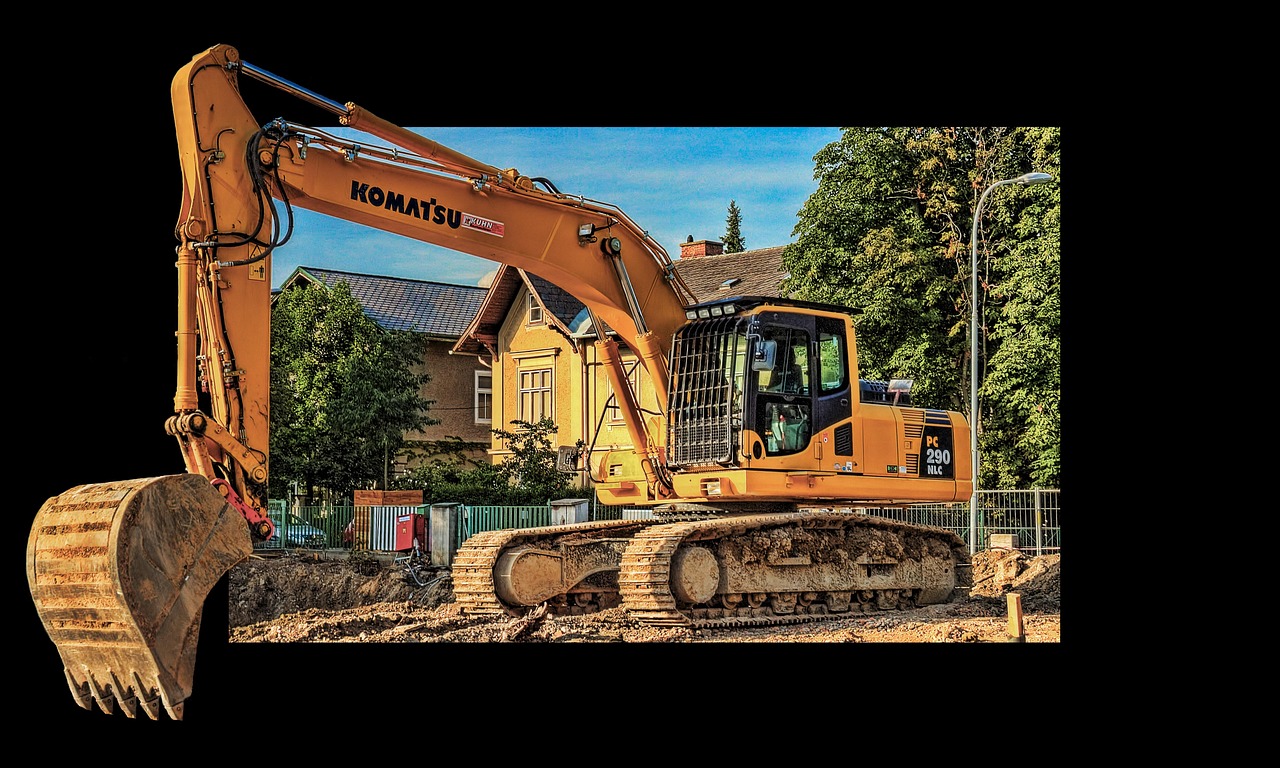
For industrial SEO, particularly for heavy machinery manufacturers, keyword research goes beyond general terms. It's about understanding the specific language and needs of your audience-from construction site managers to industrial engineers. Unlike general businesses, heavy machinery companies operate in a niche market, making industry-specific keyword research strategies crucial for effective industry specific seo solutions.
Start by identifying the core terms your target customers use when searching for products or services related to heavy machinery. A contractor looking for a new excavator might search for "hydraulic excavator specifications" or "best construction equipment suppliers." Incorporate these long-tail keywords into your content to rank higher for relevant searches. Tools like Google Keyword Planner can provide insights into search volume and competition, helping you tailor your strategy accordingly.
Local SEO matters in industry specific seo solutions for heavy machinery manufacturers, especially those with physical locations and installation services. " Optimizing for these local keywords can increase your visibility in Google Maps and local search results, connecting you with customers in your immediate area. Engaging with local SEO services, such as those offered by licensed SEO consultants, can help you navigate these specific strategies effectively.
On-Page Optimization Techniques for Heavy Machinery

Optimizing your website for heavy machinery manufacturers is a specialized task that requires a tailored approach. For on-page optimization, understanding the unique aspects of your industry is key. This involves not just keyword optimization but also ensuring that your website content, structure, and metadata are aligned with the specific language and needs of your target audience-in this case, buyers and influencers in the heavy machinery sector.
Instead of generic terms, use industry-specific phrases like "construction equipment parts" or "mining machinery maintenance." Integrate these terms naturally throughout your content, from page titles and headings to product descriptions and blog posts. This strategy not only improves search engine rankings but also enhances user experience by providing relevant, useful information. For heavy machinery manufacturers, niche-specific SEO services are essential to reach the right customers at the right time. Read reviews for SEO companies specializing in this domain to gauge their understanding of the industry and your specific needs.
Optimize your website for mobile users since many professionals in this field are on-the-go. Ensure fast loading times, responsive design, and easy navigation to accommodate users accessing your site from various devices. Remember, in the fast-paced world of heavy machinery, efficiency and convenience are paramount. Top travel SEO companies can offer valuable insights into optimizing for global audiences, given the international reach of many machinery manufacturers. However, focus on local SEO strategies for regional players to dominate local search results and attract nearby customers.
By implementing these on-page optimization techniques, you'll create a powerful foundation for your website to attract and engage your target audience. This, in turn, will lead to increased brand visibility, higher conversion rates, and stronger market positioning in the competitive heavy machinery industry.
Off-Page SEO: Building Authority and Trust in the Industry

Off-Page SEO is a crucial component of any successful industrial SEO strategy, particularly for heavy machinery manufacturers aiming to establish authority and trust within their competitive sector. This aspect of search engine optimization focuses on building high-quality backlinks and fostering positive online relationships, both of which significantly impact a company's search rankings and credibility. For an industry like heavy machinery, where purchasing decisions are often substantial and involve complex technologies, establishing trust is paramount.
Cost-efficient SEO for healthcare and financial services sectors has shown that strategic off-page tactics can be highly effective without breaking the bank. Manufacturers can leverage industry-specific outreach to connect with influential players, such as industry associations, trade publications, and respected peers. A manufacturer could secure coverage in a leading construction industry magazine, which not only showcases their expertise but also generates valuable backlinks. Similarly, local SEO for non-profit organizations has proven that targeting relevant, industry-focused local businesses and partnerships can enhance a manufacturer's online visibility and local search rankings. By aligning with community initiatives or industry events, heavy machinery manufacturers can increase their online presence and build a reputation as industry leaders.
Financial services SEO experts emphasize the importance of a well-rounded backlink profile. This includes a mix of high-quality, authoritative sites, as well as relevant industry partners. A heavy machinery manufacturer could collaborate with a leading construction firm to create joint case studies or technical guides, which would not only attract backlinks but also provide valuable content for potential customers. By implementing these off-page strategies, manufacturers can effectively compete in a crowded market, ensuring their online presence reflects their position as trusted industry experts.
Measuring Success: Analytics for Heavy Machinery SEO
Measuring the success of your SEO efforts is crucial, especially in the heavy machinery manufacturing industry, where competition is fierce and decisions often hinge on precise data. Industry-specific SEO solutions demand a tailored approach to analytics, one that goes beyond basic Google Analytics metrics. Here, we examine the actionable strategies manufacturers should employ to track their online performance effectively.
Understanding user behavior on your website is key. Implement event tracking to capture actions like product views, downloads, or inquiries. This granular data allows you to optimize specific pages and content to cater to your target audience's needs. Leveraging Google Analytics' custom dimensions and metrics can provide valuable insights into customer journeys and conversion paths, enabling data-driven decisions.
Best SEO practices for e-commerce sites, while generally applicable, must be adapted to the unique aspects of heavy machinery sales. Consider tracking unique product pages and their performance individually, as different machinery models may have varying search patterns. Monitoring organic search rankings for targeted keywords is essential, but also analyze paid ad performance to understand the competitive landscape and refine your bidding strategies.
The ultimate goal is to translate these analytics insights into actionable industry-specific SEO solutions. If you identify high bounce rates on a specific product page, optimize the content and visuals to better match customer expectations. Or, if competitor analysis reveals gaps in your keyword strategy, adjust your content to target those underperforming terms. A highly rated restaurant SEO agency's success isn't just about attracting more diners; it's about understanding their behavior and preferences, a principle directly applicable to cost-efficient SEO for healthcare manufacturers aiming to reach a new audience.
Frequently Asked Questions About Industrial SEO: Optimizing for Heavy Machinery Manufacturers
What is Industrial SEO and why is it important for heavy machinery manufacturers?
Industrial SEO is a specialized form of search engine optimization tailored for B2B industries, like heavy machinery manufacturing. It focuses on improving online visibility and attracting qualified leads from other businesses seeking products or services related to machinery. By optimizing for industrial keywords and understanding your target audience's needs, you can increase your website's ranking on search engines like Google, making it easier for potential customers to discover your offerings. This is crucial in a competitive market where being found quickly can mean securing significant contracts.
How does a heavy machinery manufacturer's website differ from a standard e-commerce site?
Unlike consumer-focused e-commerce sites, a heavy machinery manufacturer's website caters to a B2B audience-other businesses, contractors, and industrial facilities. It needs to provide detailed product information, specifications, and technical data in a format that's easily digestible by industry professionals. The website should include resources like case studies, whitepapers, and industry news to establish thought leadership and build trust with potential clients. The language and tone should be professional and technical, reflecting the complex nature of the machinery and the industries it serves.
What are some essential on-page SEO elements for a heavy machinery manufacturer's website?
On-page SEO involves optimizing individual web pages for relevant keywords and user intent. For heavy machinery manufacturers, essential elements include:
- Strong, keyword-rich page titles: These should accurately reflect the content of the page while incorporating target keywords naturally.
- Optimised meta descriptions: These brief summaries under the page title entice users to click through from search results.
- Header tags (H1, H2, H3): Used to structure content hierarchically and highlight key topics, helping both users and search engines understand the page's content.
- High-quality, relevant images with alt text: Images should be optimized with descriptive file names and alt text that conveys the image's content.
- Engaging, informative content: Content should provide valuable insights, address user needs, and be formatted with headings, bullet points, and short paragraphs for readability.
What's the role of technical SEO in the industrial manufacturing sector?
Technical SEO focuses on the behind-the-scenes aspects of a website's performance. For heavy machinery manufacturers, this includes:
- Site speed optimization: Faster loading times improve user experience and search engine rankings.
- Mobile-friendliness: With more business conducted online, a responsive design is crucial for positive user experiences and search engine algorithms.
- XML sitemaps and robots.txt files: These help search engines crawl and index your website's content effectively.
- Schema markup: Structured data helps search engines understand the content of your pages, potentially leading to rich snippets in search results.
How can content marketing benefit a heavy machinery manufacturer?
Content marketing involves creating and distributing valuable, relevant content to attract and retain a clearly defined audience. For heavy machinery manufacturers, benefits include:
- Establishing thought leadership: High-quality content on industry trends, best practices, and product innovations demonstrates expertise and builds trust with potential customers.
- Generating leads: Case studies, whitepapers, and product guides can capture contact information from interested prospects.
- Improving search engine rankings: Regularly publishing relevant content helps improve visibility for targeted keywords.
Optimizing for heavy machinery manufacturers requires a tailored approach that leverages industry-specific SEO solutions. By understanding the unique needs of this sector, such as focusing on niche keywords and addressing complex purchasing journeys, manufacturers can significantly improve their online visibility. Industry-specific keyword research, combined with strategic on-page optimization, ensures that key information is easily accessible to potential buyers. Off-page SEO, including building high-quality backlinks and managing local citations, bolsters trust and authority, positioning manufacturers as industry leaders. Implementing these strategies, combined with robust analytics to measure performance, creates a powerful framework for success in the digital landscape. Moving forward, manufacturers should prioritize ongoing optimization, staying agile to adapt to market changes, and continuously refining their industry specific SEO solutions.
Heavy machinery manufacturers need tailored industry specific SEO solutions to thrive in a competitive market. This includes:
- Keyword Research: Understand industry language and terms for effective content targeting.
- Local SEO: Optimize for local keywords and use Google My Business for physical locations.
- On-Page Optimization: Integrate industry-specific phrases naturally in content, metadata, and structure.
- Off-Page SEO: Build high-quality backlinks through industry partnerships and community engagement.
- Analytics: Use advanced tracking and custom metrics to measure user behavior and conversion paths.
By implementing these strategies, manufacturers can enhance online visibility, attract targeted customers, and establish authority in the heavy machinery industry.